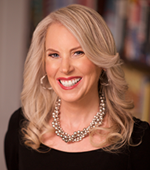
Jocelyn Elise Crowley, Ph.D.

Dr. Jocelyn Elise Crowley’s most recent research examines the difficult problem of sexual harassment facing women in the American workforce. She explores this topic in both the fashion and ridesharing industries. Using narratives and survey data, she aims to understand the types of sexual harassment women experience, how they cope, and how perpetrators respond to victim confrontation. Dr. Crowley also has a keen interest in bystander intervention in order to prevent sexual harassment and help victims heal in the most resilient ways possible. Please check out the Publications tab on this website for her most recent research on this topic!
Upcoming Events
Check back for more events.
Recent Media Coverage
Two different divorces? Dr. Jocelyn Elise Crowley analyzes how divorce over the age of 50 produces different impacts for men and women in Thrive Magazine, Winter/Spring 2026.
Dr. Crowley explores technology-facilitated violence among women rideshare drivers on the Bloustein School website in May 2026.
Dr. Crowley discusses the consequences of gray divorce for adult children on bbc.com in September 2025.
Dr. Crowley discusses the benefits of divorce after the age of 50 for women in Woman’s World Magazine in March 2025.
Dr. Crowley describes the dramatic rise in divorce after age 50 in Vox online in October 2024.
Dr. Crowley's work on divorce after the age of 50 is cited in The Ball State Daily in May 2024.
Dr. Crowley analyzes the role of social networking in promoting sexual harassment in the fashion industry in the Rutgers Daily Targum in October 2023.
Dr. Crowley discusses the rise of female undergraduates at American colleges in September 2023.
Dr. Crowley discusses the reasons behind divorce after the age of 50 in a September 2023 AARP article.
Dr. Crowley discusses her research on financial well-being after a mid-life divorce in a March 2023 AARP article.
Read Reviews!
Read Reviews of Dr. Crowley's book Gray Divorce: What We Lose and Gain from Mid-Life Splits from Relationship Expert Francesca Hogi from the Today Show, Psychologist Dr. Brenda Wade from The Dr. Oz show, Acclaimed Author Dr. Robi Ludwig, Internationally-known Divorce Attorney Raoul Felder and More!
Recent Awards
In 2018, Crowley received the Leslie A. Whittington Excellence in Teaching Award from the Network of Schools of Public Policy, Affairs, and Administration (NASPAA), which represents over 300 public policy schools all over the country. In addition, Crowley was the 2018 recipient of the Warren I. Susman Award for Excellence in Teaching. The award is Rutgers University’s highest honor in recognition of outstanding service in stimulating and guiding the intellectual development of students at Rutgers University by a tenured faculty member. Dr. Crowley also received the 2018 Jerome Rose Excellence in Teaching Award presented by the Edward J. Bloustein School of Planning and Public Policy, Rutgers, The State University of New Jersey.
